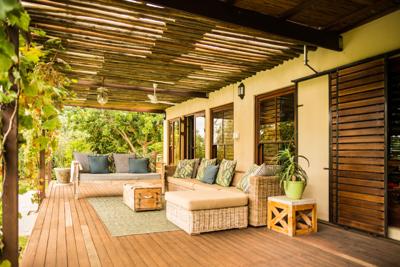



The backyard has quietly become one of the most-used rooms in the house. What used to be a patch of grass and a grill is now where families eat dinner, kids play, and friends gather on a warm evening. A well-planned outdoor living space extends a home's usable square footage at a fraction of the cost of an addition — and it does it in the part of the house people most want to spend time.
The catch is that "outdoor living space" covers everything from a modest paver patio to a full outdoor kitchen with a pergola and built-in seating. Planning well means matching the project to how you'll actually use the space and to a budget that makes sense for your home.
Start With How You'll Use It
Before picking materials, picture a typical season in the space. A family that wants a spot for weeknight dinners may need a dining area near the kitchen door. Someone who entertains needs seating and maybe a grilling station. A household with young kids might prioritize a safe, open, low-maintenance surface over an elaborate build. The use case drives every other decision, and starting there keeps you from paying for features you won't touch.
People are also reading…
It also helps to think about the seasons. Shade structures, a fire feature, or simple overhead lighting can stretch an outdoor space from a few summer weekends into something you use most of the year.
Deck or Patio? The Core Decision
The first big choice is usually deck versus patio. Decks are raised, built from wood or composite, and ideal for sloped yards or homes where the main floor sits well above grade. Composite decking costs more upfront than wood but skips the yearly staining and sealing, which many homeowners find worth it. Patios sit at ground level, use pavers, stone, or concrete, and tend to cost less per square foot while lasting a long time with little upkeep.
Cost varies widely by size and material. According to cost data from Angi, a new deck commonly runs from several thousand dollars for a basic build into the tens of thousands for a large composite structure, while patios often come in lower for comparable square footage. Getting two or three quotes for your specific yard is the only way to set a real number.
The Upgrades Worth Considering
Beyond the base surface, a few additions deliver outsized enjoyment. Built-in seating saves space and looks finished. A pergola or shade sail makes a sunny patio usable at midday. Outdoor lighting — string lights, path lights, or low-voltage fixtures — transforms the space after dark and adds a measure of safety. An outdoor kitchen or a simple built-in grill station is the big-ticket item, worth it for people who genuinely cook and host outdoors and skippable for those who don't.
Why So Many Homeowners Invest in Their Own Space
Pouring money into the yard reflects a wider preference for improving the home people already have. In Rocket Mortgage's data on US home improvement costs, homeowners were asked a hypothetical question — whether they'd direct $20,000 toward a home renovation or a dream vacation — and 75% chose the renovation. It's a hypothetical, not a measure of actual spending, but it captures a real instinct. For a lot of households, an outdoor living space is the version of that choice that pays off every warm evening at home rather than once on a trip.
Plan the Practical Details Early
A few logistics save headaches later. Check whether your project needs a permit — many deck builds do, and an unpermitted structure can cause problems at resale. Think about drainage so water moves away from the house, not toward the foundation. Consider privacy from neighbors and how the space connects to the door you'll use most. And plan utilities up front: running electrical for lighting or a gas line for a grill is far cheaper before the surface goes down than after.
Financing a Backyard Upgrade
Outdoor projects scale easily, which makes financing flexible. A smaller patio might come straight from savings, while a larger deck-and-kitchen build is a common candidate for a HELOC or home equity loan, letting you borrow against the value you've built. A cash-out refinance can fold the cost into one monthly payment if you're combining the outdoor work with other improvements. A lender can lay out the monthly cost of each path so the project fits the budget comfortably.
Planned around how you'll actually live in it, an outdoor living space is one of the most rewarding projects a homeowner can take on — more room to gather, more reasons to be home, and a backyard that finally works as hard as the rest of the house.